
Introduction
Finding the perfect dog can be challenging when you or someone in your family suffers from pet allergies. While dogs bring companionship, happiness, and emotional support, their allergens can cause sneezing, itchy eyes, skin irritation, and breathing difficulties. Fortunately, some dog breeds are commonly recommended for people who experience allergies because they have low-shedding coats and predictable grooming requirements.
Hypoallergenic dogs are often considered a suitable choice for allergy sufferers who want to enjoy the benefits of dog ownership. Breeds such as Poodles, Bichon Frises, Maltese, Schnauzers, and Portuguese Water Dogs are popular examples. However, it is important to understand that no dog breed is completely allergy-free.
This guide explores 15 popular hypoallergenic dog breeds, their personalities, grooming requirements, and important considerations for potential owners. You will also learn what causes dog allergies and how to create a more comfortable environment for living with a dog.
What Are Hypoallergenic Dogs?
Hypoallergenic dogs are breeds commonly believed to produce fewer allergens or spread fewer allergens throughout the home than some other dogs. They are often associated with low-shedding or curly coats that may help reduce the amount of loose hair and dander distributed around living spaces.
However, the term hypoallergenic does not mean completely allergen-free.
Dog allergies are generally triggered by proteins found in a dog’s skin flakes (dander), saliva, and urine. These proteins can attach to fur, furniture, clothing, carpets, and other household surfaces.
According to the American Academy of Allergy, Asthma & Immunology (AAAAI), no dog breed is scientifically proven to be completely hypoallergenic. Therefore, people with allergies should consider individual dogs rather than relying entirely on breed labels.
Do Hypoallergenic Dogs Really Exist?
No, completely hypoallergenic dogs do not exist. Every dog produces proteins that can potentially trigger an allergic reaction in sensitive individuals.
Some breeds are popular among allergy sufferers because they tend to shed less hair. Reduced shedding may help limit the amount of loose hair and dander spreading around the home, but it does not eliminate allergen exposure.
Research published in the American Journal of Rhinology & Allergy found no convincing evidence that breeds marketed as hypoallergenic consistently produce lower allergen exposure in homes.
The best approach is to identify which dogs you personally tolerate, consult an allergy specialist, and take appropriate steps to manage indoor allergens.
15 Best Hypoallergenic Dogs to Consider
Although no breed is completely allergy-proof, the following dogs are popular choices for people searching for low-shedding companions.
1. Poodle
Poodles are among the most popular choices for people searching for hypoallergenic dogs. They have curly coats that generally shed very little, making them a common recommendation for households concerned about loose dog hair.
Poodles come in three main sizes: Standard, Miniature, and Toy. They are intelligent, active, affectionate, and relatively easy to train.
Key characteristics:
- Coat: Dense and curly
- Shedding: Low
- Temperament: Intelligent, friendly, and energetic
- Grooming: Regular brushing and professional trimming
- Best for: Families, individuals, and active households
Poodles need regular grooming to prevent their coats from becoming tangled. Although they are often considered allergy-friendly, individual allergic reactions can still occur.
2. Bichon Frise
The Bichon Frise is a small, cheerful companion known for its soft, fluffy white coat. Its curly hair tends to shed minimally, which makes it a popular option for people looking for small hypoallergenic dogs.
These dogs are affectionate, playful, and social. They generally enjoy spending time with their families and can adapt well to apartment living.
Key characteristics:
- Coat: Soft, curly, and fluffy
- Shedding: Low
- Temperament: Playful, gentle, and affectionate
- Grooming: Frequent brushing and regular trimming
- Best for: Families, seniors, and apartment residents
Their grooming requirements are relatively high, but their friendly personalities make them attractive companion dogs.
3. Maltese
The Maltese is a small toy breed recognized for its long, silky white coat and affectionate personality. Unlike many heavy-shedding breeds, Maltese dogs typically shed very little.
They are known for being gentle, loyal, and people-oriented. Their small size also makes them suitable for apartments and smaller homes.
Key characteristics:
- Coat: Long, silky, and straight
- Shedding: Low
- Temperament: Affectionate, lively, and gentle
- Grooming: Regular brushing and coat maintenance
- Best for: Apartment living and companionship
Although their coats require consistent care, Maltese dogs are a popular option for people researching low-shedding dog breeds.
4. Miniature Schnauzer
Miniature Schnauzers are energetic, intelligent dogs with distinctive facial hair and a wiry double coat. They generally shed less than many traditional dog breeds.
They are protective, alert, and affectionate with their families. Their adaptable nature makes them suitable for different living environments.
Key characteristics:
- Coat: Wiry double coat
- Shedding: Low
- Temperament: Alert, intelligent, and friendly
- Grooming: Regular brushing and professional trimming
- Best for: Families and active individuals
Miniature Schnauzers are excellent companions for people who enjoy an intelligent dog with a lively personality.
5. Portuguese Water Dog
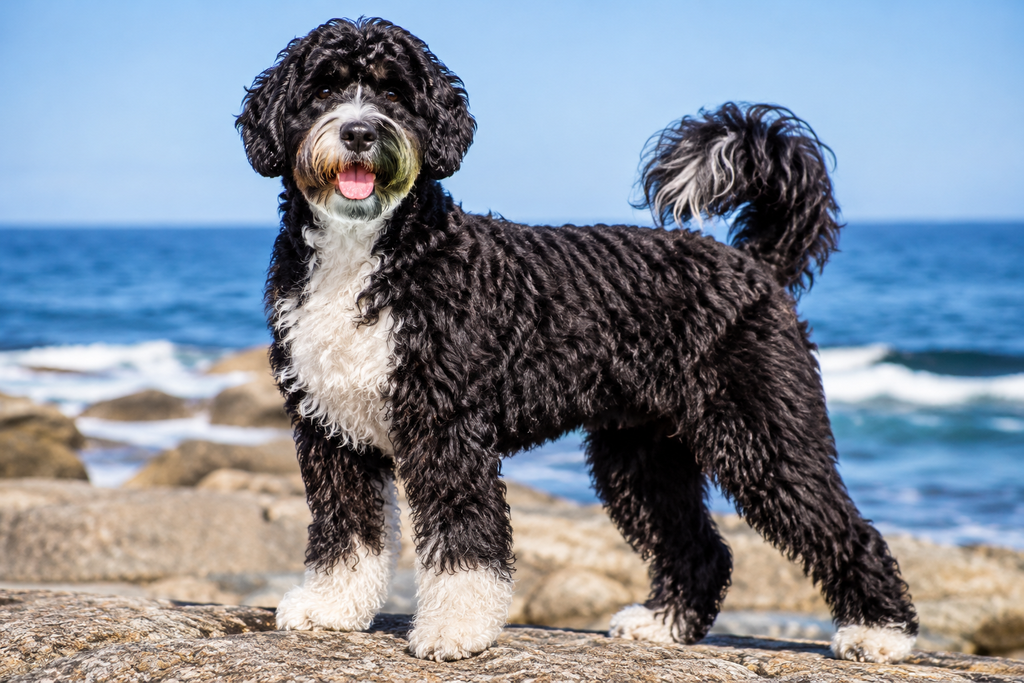
The Portuguese Water Dog is a medium-sized working breed originally developed to assist fishermen. It has a curly or wavy coat that typically sheds less than many other breeds.
These dogs are athletic, intelligent, and energetic. They enjoy swimming, outdoor activities, and regular exercise.
Key characteristics:
- Coat: Curly or wavy
- Shedding: Low
- Temperament: Active, intelligent, and loyal
- Grooming: Frequent coat maintenance
- Best for: Active families and experienced dog owners
Their exercise requirements make them particularly suitable for households with an active lifestyle.
6. Yorkshire Terrier
Yorkshire Terriers, commonly called Yorkies, are small dogs with long, silky hair. Their coat resembles human hair more than the typical thick double coat found in many breeds.
They generally shed very little and are popular among people looking for small companion dogs.
Key characteristics:
- Coat: Long and silky
- Shedding: Low
- Temperament: Confident, affectionate, and energetic
- Grooming: Regular brushing
- Best for: Small homes and apartment residents
Despite their small size, Yorkies have confident personalities and benefit from consistent training.
7. Soft Coated Wheaten Terrier
This medium-sized Irish breed is recognized for its soft, silky, wheat-colored coat. It is generally a low-shedding breed and requires consistent grooming.
Wheatens are friendly, enthusiastic, and affectionate. They enjoy family activities and regular exercise.
Key characteristics:
- Coat: Soft and silky
- Shedding: Low
- Temperament: Friendly, playful, and energetic
- Grooming: Regular brushing and trimming
- Best for: Active families
8. Havanese
The Havanese is a small companion dog with a long, soft coat. It is known for its affectionate personality and ability to adapt to different home environments.
These dogs are generally friendly, playful, and sociable.
Key characteristics:
- Coat: Long and silky
- Shedding: Low
- Temperament: Social, affectionate, and intelligent
- Grooming: Regular brushing
- Best for: Families and apartment living
9. Lagotto Romagnolo
Originally developed in Italy as a water-retrieving dog, the Lagotto Romagnolo is known for its dense, curly coat.
It is intelligent, affectionate, and energetic. This breed also has a strong sense of smell and is historically associated with truffle hunting.
Key characteristics:
- Coat: Dense and curly
- Shedding: Low
- Temperament: Intelligent, affectionate, and active
- Grooming: Regular coat maintenance
- Best for: Active households and experienced owners
10. Irish Water Spaniel
The Irish Water Spaniel is a distinctive sporting breed with a curly coat and energetic personality.
It enjoys outdoor activities, swimming, and mental stimulation. Its coat generally sheds less than that of many other sporting breeds.
Key characteristics:
- Coat: Tight, curly coat
- Shedding: Low
- Temperament: Intelligent, active, and playful
- Grooming: Regular brushing and trimming
- Best for: Active owners
11. Bedlington Terrier
Bedlington Terriers are recognized for their distinctive lamb-like appearance and soft, curly coats. They generally shed very little.
They are affectionate, energetic, and intelligent dogs that can adapt to different households.
Key characteristics:
- Coat: Soft and curly
- Shedding: Low
- Temperament: Gentle, confident, and active
- Grooming: Regular professional trimming
- Best for: Families and individuals
12. Kerry Blue Terrier
The Kerry Blue Terrier is an Irish breed with a soft, wavy coat that typically sheds minimally.
It is intelligent, confident, and energetic. These dogs need consistent training, exercise, and coat maintenance.
Key characteristics:
- Coat: Soft and wavy
- Shedding: Low
- Temperament: Alert, intelligent, and loyal
- Grooming: Regular trimming and brushing
- Best for: Experienced dog owners
13. Chinese Crested
The Chinese Crested is a small breed available in two varieties: Hairless and Powderpuff.
The Hairless variety has exposed skin with hair on certain areas of the body, while the Powderpuff has a soft, full coat.
Although the Hairless variety has less fur, it still produces allergens through its skin and saliva.
Key characteristics:
- Coat: Hairless or soft-coated
- Shedding: Minimal in the Hairless variety
- Temperament: Affectionate, playful, and gentle
- Grooming: Skin care or regular coat maintenance
- Best for: People seeking a small companion
14. American Hairless Terrier
The American Hairless Terrier is a small, energetic breed without a traditional fur coat.
Its lack of hair may reduce loose-fur accumulation around the home, but it does not eliminate allergy-causing proteins.
Key characteristics:
- Coat: Hairless
- Shedding: Minimal
- Temperament: Energetic, intelligent, and playful
- Grooming: Regular skin care and sun protection
- Best for: Active individuals and families
15. Standard Schnauzer
The Standard Schnauzer is a medium-sized breed with a distinctive wiry coat. It is intelligent, protective, and highly trainable.
Its coat generally sheds less than that of many other breeds, making it a popular choice among people researching low-shedding dogs.
Key characteristics:
- Coat: Wiry and dense
- Shedding: Low
- Temperament: Intelligent, alert, and loyal
- Grooming: Regular brushing and trimming
- Best for: Active families and experienced owners
How to Choose the Best Hypoallergenic Dog

Choosing a dog involves more than selecting a breed advertised as hypoallergenic. Your personal allergy sensitivity, lifestyle, available space, and grooming preferences should all influence your decision.
Consider these important factors before bringing a dog home:
1. Spend Time With the Individual Dog
Before adopting or purchasing a dog, spend time with that specific animal in a comfortable environment. This may help you understand whether you experience symptoms around it. However, a short visit cannot guarantee that you will tolerate long-term exposure.
2. Consider Your Allergy Severity
People experience different levels of allergic reactions. Someone with mild sneezing may tolerate certain dogs, while someone with asthma or severe respiratory symptoms may need to avoid exposure.
Consult an allergist before making a decision.
3. Understand Grooming Requirements
Low-shedding dogs often require more frequent brushing, bathing when appropriate, and professional grooming. Make sure you can manage these responsibilities.
4. Evaluate Your Lifestyle
An active breed may not be suitable for someone with limited time for exercise. Similarly, a high-maintenance coat may not suit someone with a busy schedule.
5. Consider Adoption or Fostering
Fostering a dog before making a permanent commitment can help you evaluate compatibility. Discuss allergy concerns with the rescue organization and your healthcare professional.
Tips to Reduce Dog Allergens at Home
Even if you choose a commonly recommended hypoallergenic dog, managing allergens in your home is important.
Here are practical ways to reduce exposure:
- Use a HEPA air purifier: A properly sized HEPA air purifier can help capture airborne particles.
- Keep bedrooms dog-free: Avoid allowing your dog to sleep on your bed or enter allergy-sensitive spaces.
- Clean regularly: Vacuum carpets, wash bedding, and clean upholstered furniture frequently.
- Wash your hands: Wash your hands after playing with or grooming your dog.
- Maintain regular grooming: Brush your dog’s coat and arrange suitable grooming appointments.
- Reduce carpets: Hard flooring can make it easier to remove accumulated allergens.
- Consult an allergist: Medical professionals can recommend suitable treatments and allergy-management strategies.
Combining these practices may help make indoor living more comfortable, although they cannot guarantee an allergen-free environment.
Are Small Hypoallergenic Dogs Better for Allergies?
Small hypoallergenic dogs are popular because they generally require less living space and may be easier to manage in apartments.
Breeds such as Maltese, Bichon Frise, Yorkshire Terrier, and Toy Poodle are frequently considered by people searching for smaller, low-shedding companions.
However, smaller size does not automatically mean fewer allergens. The amount of allergen produced varies between individual dogs, and a small dog can still trigger significant symptoms.
Choose a breed based on your individual allergy response, personality preferences, exercise requirements, and grooming needs rather than size alone.
Frequently Asked Questions About Hypoallergenic Dogs
1. What are the best hypoallergenic dogs?
Poodles, Bichon Frises, Maltese, Miniature Schnauzers, Portuguese Water Dogs, and Yorkshire Terriers are popular choices because they generally have low-shedding coats. However, no breed is completely allergen-free.
2. Are Poodles 100% hypoallergenic?
No. Poodles are considered low-shedding dogs, but they still produce allergy-causing proteins in their saliva, skin, and urine. People with allergies may still experience symptoms around them.
3. Which hypoallergenic dogs are best for apartments?
Maltese, Toy Poodles, Bichon Frises, Havanese, and Yorkshire Terriers are popular apartment-friendly choices because of their smaller size and adaptable personalities.
4. Do hairless dogs cause allergies?
Yes. Hairless dogs can still cause allergic reactions because allergens are present in skin cells, saliva, and urine. Having little or no hair does not make a dog allergy-free.
5. Are hypoallergenic dogs good for children?
Some commonly recommended low-shedding breeds, including Poodles, Bichon Frises, and Havanese, can make excellent family companions. However, families should consider the child’s allergy severity, the dog’s temperament, and appropriate supervision.
6. Can dog allergies disappear over time?
Not necessarily. Some people may notice changes in their symptoms, but regular exposure should not be considered a reliable treatment. An allergist can recommend appropriate testing and treatment options.
7. What is the best dog for someone with severe allergies?
There is no universally safe dog breed for people with severe allergies. Anyone with significant respiratory symptoms or asthma should consult an allergist before considering dog ownership.
Final Thoughts
Choosing among hypoallergenic dogs can be a good starting point for people who want a canine companion while managing pet allergies. Breeds such as Poodles, Maltese, Bichon Frises, Schnauzers, and Portuguese Water Dogs are popular because their coats generally shed less and have manageable allergen-spreading characteristics.
However, it is essential to remember that no dog is completely hypoallergenic. Individual dogs produce different amounts of allergens, and reactions vary from person to person.